

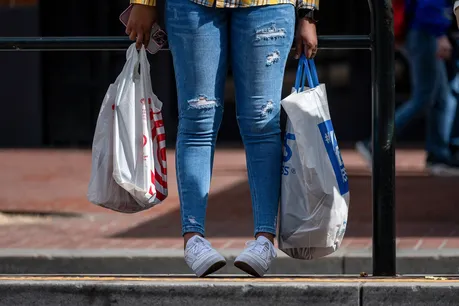
Consumer confidence in the United States has declined as growing uncertainty over the economy and the job market continues to weigh on households. The latest data shows that Americans are becoming more cautious about their financial outlook and are expressing renewed concern about inflation, interest rates, and future employment opportunities. This drop in sentiment reflects how the mixed signals from the economy are shaping public perception as the year draws to a close.
According to the latest report from the Conference Board, the overall consumer confidence index fell in October, marking the third consecutive month of decline. While inflation has eased compared to the previous year, persistent price pressures in essentials such as food, housing, and energy continue to affect household budgets. Many consumers are reporting that their incomes are not keeping up with rising living costs, making them more hesitant to spend on non-essential goods.
The labor market, which had remained resilient throughout much of the post-pandemic recovery, is also showing signs of slowing. Job openings have decreased in several sectors, and layoffs in technology, manufacturing, and retail are creating a sense of unease among workers. The unemployment rate remains relatively low, but the pace of hiring has clearly cooled, and wage growth is starting to stabilize. For many Americans, this combination of slower job creation and persistent inflation creates a difficult environment for planning ahead.
Economists note that confidence in the short-term outlook has fallen more sharply than expectations for the long term. This suggests that while consumers are concerned about the immediate months ahead, they still maintain some optimism for the future. Many expect the Federal Reserve to begin easing interest rates sometime next year, which could support borrowing and investment activity. However, until that happens, high borrowing costs for mortgages, car loans, and credit cards are likely to limit consumer spending.
Retailers are paying close attention to these shifts as they prepare for the upcoming holiday shopping season. Historically, consumer confidence has been a strong predictor of retail sales. A cautious mood among shoppers could translate into weaker spending during what is typically the most important sales period of the year. Some companies are already adjusting their strategies by offering early discounts and focusing more on affordability to attract budget-conscious buyers.
The decline in confidence also has implications for policymakers. The Federal Reserve faces the delicate challenge of keeping inflation under control while avoiding a deeper slowdown in the economy. Recent data on economic growth showed solid expansion in the third quarter, but that momentum may fade if consumer sentiment continues to deteriorate. Since household spending accounts for nearly two-thirds of US economic activity, any sustained pullback could have a significant impact on growth in the coming months.
Overall, the slip in US consumer confidence highlights the fragile balance of the current economy. Americans are feeling the effects of higher prices and tighter credit, even as broader indicators suggest that the economy remains fundamentally sound. Whether this dip in sentiment proves temporary or becomes a deeper trend will depend on how inflation, interest rates, and the job market evolve heading into next year


Leave a Reply