

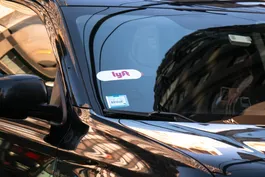
Lyft is experimenting with a new loyalty program that rewards frequent riders with cash back on future trips, signaling the company’s push to strengthen customer retention and compete more aggressively in the ride-hailing market. The pilot program, currently being tested in select US cities, gives users the opportunity to earn credits or cash rewards for every completed ride, which can later be applied toward future bookings.
According to company representatives, the goal of the initiative is to encourage consistent ridership and enhance user engagement. By offering direct cash-back incentives instead of traditional point-based systems, Lyft aims to create a simpler, more transparent rewards model that appeals to everyday riders. The company believes that a tangible benefit like cash back will resonate more with users than complex tier systems that often take months to yield visible value.
Under the test program, riders earn a small percentage of the fare amount back after each trip. The earned rewards accumulate automatically in the user’s account and can be redeemed as discounts on upcoming rides. Some participants have reported that additional bonuses are being offered during specific times of day or for using certain ride types, such as shared or electric vehicles. Lyft is also exploring partnerships with local businesses and brands to expand the range of redemption options in the future.
This move comes as the ride-hailing industry faces stiff competition and shifting consumer habits. With Uber maintaining a dominant market share and public transit regaining popularity post-pandemic, companies like Lyft are seeking creative ways to retain loyal users. Analysts say the introduction of a loyalty program could help reduce customer churn and increase the frequency of app usage among regular commuters and casual riders alike.
Lyft’s experiment mirrors a broader trend across the transportation and tech sectors, where subscription models and loyalty incentives are becoming essential tools for customer retention. The company has already tested other engagement strategies, such as discounted ride passes and memberships offering priority access during peak hours. The new program takes that concept further by adding a direct monetary reward for continued usage.
From a financial standpoint, Lyft appears to be balancing the cost of these rewards against the long-term value of keeping riders active on the platform. While the company has been working to achieve sustainable profitability, executives have emphasized that investing in loyalty could generate more stable revenue streams and improve brand perception. Early user feedback suggests that the simplicity of the cash-back system is appealing, particularly for those who rely on ride-hailing for daily commutes.
In addition to benefiting passengers, the program could also indirectly support drivers. Higher customer retention means more consistent ride requests, which can lead to better earnings opportunities for drivers in active markets. Lyft has hinted that future versions of the program may include driver-focused incentives to strengthen both sides of its marketplace.
As the testing phase continues, the company is collecting data on usage patterns, redemption rates, and customer satisfaction to refine the system before a nationwide rollout. If the pilot proves successful, Lyft’s loyalty program could become a core part of its marketing and customer engagement strategy, setting it apart in an increasingly crowded mobility landscape.
Ultimately, Lyft’s cash-back loyalty test represents more than just a new perk for riders. It reflects the company’s broader strategy to create a more rewarding and dependable ecosystem for users, reinforcing trust and convenience in a market where consumers have more transportation options than ever before.


Leave a Reply