

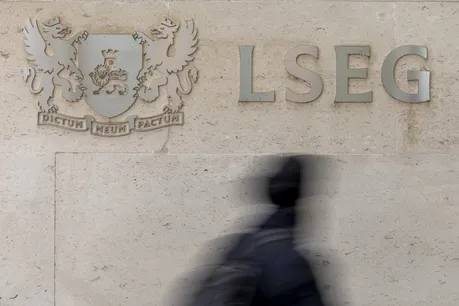
The London Stock Exchange Group (LSEG) has made a strategic move by selling a portion of its post-trade business while simultaneously increasing its share buyback program. This decision comes at a time when the company is facing slower revenue growth, prompting a reassessment of its capital allocation and operational priorities. The sale and buyback are seen as an effort to boost shareholder confidence and strengthen long-term profitability despite near-term headwinds.
LSEG’s post-trade unit, which includes critical infrastructure for clearing and settlement services, has long been a cornerstone of the group’s operations. By divesting a stake in this business, the exchange operator aims to unlock value from its existing assets and redirect capital toward higher-growth opportunities. Analysts suggest that this move signals LSEG’s intent to optimize its balance sheet and generate additional funds for investors through share repurchases.
The buyback expansion reflects management’s belief in the company’s intrinsic value even amid slowing growth. As global financial markets experience volatility and reduced trading volumes, exchanges such as LSEG are finding it challenging to maintain the rapid pace of expansion seen during previous years. By repurchasing shares, the company can support its stock price and improve per-share earnings, providing a cushion for investors during uncertain economic conditions.
LSEG’s broader strategy has increasingly focused on transforming from a traditional stock exchange into a data and analytics powerhouse. Following its acquisition of Refinitiv in 2021, the group has become one of the leading providers of financial data and market intelligence globally. However, integration costs and competition from major players like Bloomberg and S&P Global have put pressure on margins, contributing to the recent moderation in earnings growth.
Selling part of the post-trade unit allows LSEG to rebalance its portfolio, focusing more on scalable, high-margin businesses such as analytics, cloud-based financial data services, and technology-driven trading solutions. These segments are expected to drive future profitability as the global financial ecosystem continues to digitize and demand for real-time insights rises.
The move also highlights LSEG’s ongoing effort to streamline operations and respond to shareholder expectations. With investors increasingly seeking steady returns, share buybacks have become a popular mechanism to enhance shareholder value. The additional repurchase authorization sends a positive signal to the market, suggesting that management remains confident in the company’s financial health and long-term vision.
Despite these strategic measures, challenges remain. The slowdown in global trading activity and rising regulatory pressures could limit the pace of recovery in the short term. Additionally, as competition in the financial data space intensifies, LSEG will need to continue investing in innovation to maintain its competitive edge.
Looking ahead, the company’s success will depend on its ability to balance short-term shareholder returns with long-term strategic investments. If executed effectively, LSEG’s dual approach of asset rebalancing and capital return could position it strongly for sustainable growth in the years to come. The sale of the post-trade stake may mark not just a financial adjustment but a clear step toward reshaping LSEG’s future in an evolving global financial landscape


Leave a Reply