

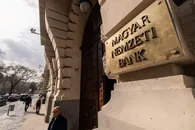
Hungary’s central bank is expected to keep its key interest rates unchanged, signaling a cautious approach despite growing pressure from Prime Minister Viktor Orban’s government to accelerate monetary easing. The decision reflects policymakers’ ongoing struggle to balance economic recovery with persistent inflation concerns and a volatile political environment.
The National Bank of Hungary has been one of Europe’s most aggressive central banks in the past two years, slashing rates from record highs as inflation started to cool. However, analysts believe the pace of cuts will now pause as inflation risks remain above the central bank’s comfort zone. With prices still rising faster than the European average, officials are likely to maintain a steady policy stance to preserve market confidence and stabilize the forint.
Prime Minister Orban’s government has been vocal in urging the central bank to lower rates more quickly to stimulate growth. Hungary’s economy has been under strain from weak consumer spending, slow industrial output, and reduced foreign investment. However, the central bank has repeatedly emphasized its independence and commitment to ensuring price stability before shifting fully to a pro-growth stance.
The upcoming policy decision is viewed as a test of that independence. The central bank, led by Governor Gyorgy Matolcsy, has faced increasing political pressure amid rising tensions between the government and monetary authorities. Orban’s administration wants cheaper borrowing costs to revive the domestic economy ahead of next year’s local elections, while Matolcsy insists that acting too soon could undermine investor trust and trigger another wave of currency volatility.
Recent economic data provides mixed signals. Inflation has slowed considerably from double-digit levels earlier in the year but remains sticky, especially in the food and energy sectors. Core inflation excluding volatile components still sits above the central bank’s long-term target, suggesting that underlying price pressures have not yet fully eased. Meanwhile, the Hungarian forint has shown relative stability in recent months, partly supported by cautious central bank policy and a rebound in EU funding inflows.
Financial analysts expect the benchmark interest rate to remain at 7 percent during the next policy meeting. While this rate is significantly lower than last year’s peak, it still represents one of the highest in the European Union. Holding rates steady would help maintain a buffer against inflation shocks and protect the national currency from renewed depreciation pressures.
At the same time, Hungary’s broader economic outlook remains challenging. Consumer sentiment has weakened due to elevated living costs, and the industrial sector is struggling with subdued demand across Europe. Foreign investors have become more cautious, reflecting both economic uncertainty and concerns over government influence on key institutions.
The decision to hold rates may also be a strategic signal to financial markets that the central bank is not bowing to political pressure. Maintaining credibility is crucial for Hungary’s monetary authorities, especially as the country continues to depend on external financing and investor confidence.
In conclusion, Hungary’s central bank is expected to prioritize stability over politics by keeping interest rates unchanged. While the Orban government pushes for faster rate cuts to spur economic growth, the central bank appears determined to stay on a cautious path until inflation is fully under control. This approach highlights the delicate balance between political influence and economic prudence in shaping Hungary’s financial future. For now, monetary restraint remains the preferred strategy to safeguard both the currency and investor trust in a challenging global environment.


Leave a Reply