

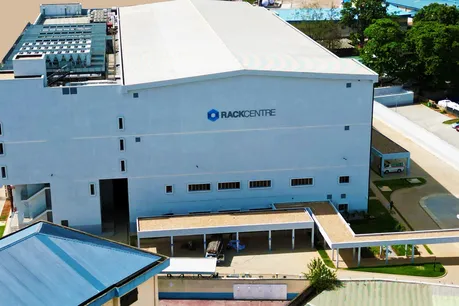
Nigeria is quickly emerging as Africa’s next major hub for artificial intelligence (AI) and digital infrastructure. With the global AI boom pushing demand for massive computing power, the country is witnessing a surge in billion-dollar investments aimed at building state of the art data centers. These centers are set to transform Nigeria’s digital economy, enhance connectivity, and position it as a technological powerhouse on the continent.
The rise of AI-driven technologies ranging from machine learning applications to cloud computing and advanced analytics requires vast computing capabilities and reliable data storage facilities. For years, Africa lagged behind due to limited digital infrastructure, but Nigeria is now leading efforts to close that gap. Tech giants, local investors, and government initiatives are all contributing to a new era of technological growth.
One of the major drivers of this transformation is the exponential growth in AI adoption across industries. From financial services and telecommunications to healthcare and agriculture, Nigerian companies are integrating AI tools to improve efficiency and decision-making. However, to run these AI systems effectively, they need access to local data centers capable of handling enormous processing demands. This growing necessity has ignited intense competition among tech investors eager to capitalize on Nigeria’s strategic position and large digital population.
Government policies have also played a crucial role in fostering this new data center race. The Nigerian government’s push for a “Digital Nigeria” aligns with its vision to attract foreign investment and promote local technology development. Incentives such as tax reliefs, improved internet infrastructure, and partnerships with private enterprises have encouraged both local and international companies to invest in the data economy. This strategic alignment is helping Nigeria build the backbone required for AI and digital transformation.
Data centers not only boost AI innovation but also enhance the overall internet ecosystem. They reduce latency, improve cybersecurity, and enable faster access to online services. For global tech firms like Google, Microsoft, and Amazon, establishing regional data centers in Nigeria means offering better and more affordable cloud services to millions of users. For local startups, it provides a competitive advantage by allowing them to develop AI models and digital products without depending on overseas infrastructure.
Furthermore, the growing investment in data centers has significant economic implications. Each new facility brings job opportunities in construction, engineering, data management, and IT services. It also creates demand for renewable energy solutions, as companies look for sustainable ways to power massive computing operations. This combination of AI and green technology could make Nigeria a model for digital sustainability in Africa.
The AI boom in Nigeria is not just about technology it represents a larger shift toward digital independence. As the world becomes increasingly reliant on AI, countries that can host and process their own data will gain a competitive edge. Nigeria’s billion-dollar data center race signals that it is ready to lead Africa into this new digital age.


Leave a Reply