

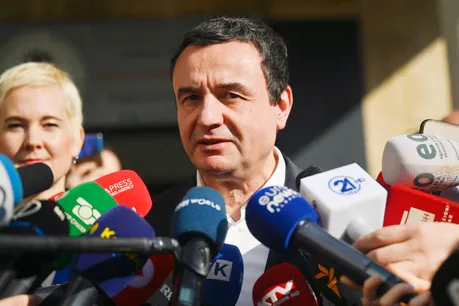
After months of political deadlock and uncertainty, Kosovo is finally moving toward forming a new government. The long-standing impasse that began after disputed election results and coalition disagreements appears to be nearing an end. This development brings a sense of hope for stability and progress in a country that has faced repeated political crises since declaring independence in 2008.
Political leaders in Pristina have announced that talks between major parties have reached a preliminary agreement to establish a new coalition government. This comes after prolonged negotiations following the last parliamentary elections, which left Kosovo without a clear ruling majority. The absence of a functioning government had delayed key reforms and international agreements, adding to public frustration and economic stagnation.
Background of the Political Crisis
Kosovo’s recent political turmoil stemmed from intense rivalry between leading parties such as Vetëvendosje and the Democratic Party of Kosovo (PDK). Both sought to form a majority coalition but were unable to agree on power-sharing terms. As a result, parliament was effectively paralyzed for months, leaving crucial decisions on governance, economic reform, and European integration on hold.
The deadlock also reflected deeper divisions within Kosovo’s political landscape. Disputes over corruption allegations, public spending, and relations with Serbia further complicated coalition talks. For citizens, the lack of political direction worsened economic challenges, unemployment, and slow progress toward European Union membership.
A Step Toward Stability
The recent move toward government formation signals renewed political maturity and willingness to compromise. Key party leaders have reportedly agreed on a framework that balances political representation, prioritizes governance reform, and addresses national development goals. The new coalition aims to strengthen democratic institutions, enhance transparency, and restore public confidence in the political system.
One of the new government’s immediate priorities will be improving Kosovo’s relations with Serbia under EU mediation. Dialogue between the two nations has been stalled for months due to political instability in both capitals. Progress in these talks is essential for Kosovo’s path toward greater international recognition and eventual EU membership.
Economic and Social Implications
Kosovo’s prolonged political crisis had a significant impact on its economy. Investment slowed, foreign confidence weakened, and several infrastructure projects were delayed. The new government faces an urgent need to revive economic growth, create job opportunities, and attract international investors. Addressing youth unemployment and improving the education system will also be vital to ensuring long-term stability.
The country’s population, particularly its younger generation, has grown increasingly impatient with political gridlock. Many see this new government as a final chance for reform and accountability. If the leadership can deliver on its promises, Kosovo could enter a new era of political and economic progress.
Conclusion
Kosovo’s move to form a government after months of deadlock marks a crucial turning point in the nation’s democratic journey. While challenges remain, the new coalition offers an opportunity to rebuild trust, restart reforms, and move the country closer to its European ambitions.
Sustained political cooperation and transparent governance will be key to ensuring that Kosovo’s fragile stability turns into lasting progress. For now, optimism is cautiously returning to the streets of Pristina as the country looks to leave months of uncertainty behind and focus on building a stronger future.


Leave a Reply