

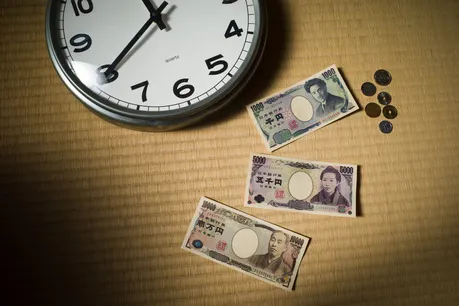
Japan’s Finance Minister has intensified his warnings to global currency markets as the Japanese yen continues to weaken, raising fresh concerns about the country’s economic stability and monetary policy direction. The yen’s slump, which has pushed it near multi-decade lows against the US dollar, is putting pressure on policymakers to respond amid rising import costs and investor anxiety.
Yen’s Persistent Decline
The Japanese yen has been on a downward trajectory for much of the year, recently falling past ¥150 per US dollar a threshold that typically triggers verbal interventions from the Ministry of Finance (MOF). The weakness stems from the wide interest rate gap between Japan and other major economies, particularly the United States, where the Federal Reserve has maintained high rates to curb inflation.
In contrast, the Bank of Japan (BOJ) has stuck to its ultra-loose monetary policy, keeping interest rates near zero to stimulate domestic growth. This policy divergence has led investors to borrow cheaply in yen and invest in higher-yielding assets elsewhere a strategy known as the carry trade, which further fuels yen depreciation.
Finance Minister’s Tougher Tone
Finance Minister Shunichi Suzuki has stepped up his rhetoric in recent days, warning speculators against pushing the currency too far. In his latest remarks, Suzuki emphasized that Japan will “take appropriate action without ruling out any options” if speculative moves continue to drive excessive volatility in the forex market.
This is not the first time Japan’s government has intervened. In 2022 and 2023, Tokyo spent billions of dollars to support the yen through direct currency market intervention, but the effects were short-lived. The latest warnings signal that authorities are once again prepared to step in if necessary.
Economic Pressures Mounting
The weak yen poses both advantages and challenges for Japan’s economy. On one hand, it boosts export competitiveness, benefiting major corporations like Toyota and Sony. However, the disadvantages are growing more severe import prices have surged, pushing up the cost of fuel, raw materials, and food.
This is particularly painful for consumers and small businesses, as Japan imports over 90% of its energy resources. Rising living costs have already sparked public frustration, despite modest wage growth in recent months.
Market Reactions and Global Implications
Currency traders are now closely watching for any signs of actual intervention. Analysts say verbal warnings can slow speculative momentum temporarily, but sustained yen strength would likely require a shift in BOJ policy such as raising interest rates or reducing bond purchases.
A stronger yen could also have ripple effects across global markets, affecting trade balances and investment flows in Asia. For now, however, investors remain skeptical that Japan will make a major policy shift soon.
Looking Ahead: Can Japan Defend the Yen?
With the yen hovering near critical levels, the government faces a difficult balancing act. Intervening too aggressively could deplete foreign reserves and risk diplomatic tension with the US, while doing nothing could erode public confidence and accelerate inflation.
The Finance Minister’s renewed warnings reflect Tokyo’s determination to protect currency stability and signal to markets that Japan is watching closely. Whether this translates into concrete action or remains a warning shot will depend on how the yen behaves in the coming weeks.


Leave a Reply