

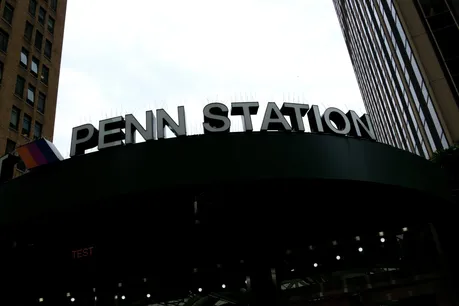
In a significant move reflecting the post-pandemic shift in real estate trends, New York City is set to convert several office spaces near Penn Station into 107 studio apartments. This development is part of the city’s broader effort to revitalize underutilized commercial properties and address the ongoing housing shortage in Manhattan.
The Shift from Office to Residential
The pandemic permanently changed how people work, leading to a sharp decline in office occupancy rates across major cities. New York City, once home to bustling corporate towers, has seen vacancy rates remain stubbornly high even as businesses adopt hybrid work models.
In response, developers and city planners are embracing adaptive reuse projects, transforming old office buildings into modern living spaces. The new conversion near Penn Station represents a key milestone in this transition, combining urban renewal with affordable housing goals.
Details of the Project
According to city filings, the project will involve repurposing multiple floors of an office building into 107 studio apartments, each designed to cater to the needs of young professionals, students, and single tenants. The units will feature compact layouts with modern amenities, aligning with NYC’s growing demand for smaller, affordable residences in well-connected areas.
Located steps away from Penn Station, one of the city’s busiest transportation hubs, the new apartments will offer easy access to subways, commuter trains, and major retail zones making them highly attractive to renters seeking convenience and urban lifestyle.
Economic and Social Impact
Real estate experts see this conversion as a blueprint for urban adaptation. Converting commercial buildings into residential spaces not only reduces vacancy rates but also stimulates local economies, bringing life back to areas that suffered from reduced foot traffic during the pandemic.
Additionally, the project aligns with New York City’s housing initiatives, which aim to increase supply amid surging rents and limited availability. By creating smaller, efficient studio units, developers can meet growing demand while keeping costs lower than luxury housing alternatives.
The move could also inspire similar projects across Midtown Manhattan, where many aging office buildings struggle to attract new tenants. As zoning and permitting policies evolve, more property owners may follow this conversion trend.
Broader Real Estate Trends
Across the U.S., cities like San Francisco, Chicago, and Washington, D.C. are exploring office-to-residential conversions as part of their downtown recovery strategies. With remote work becoming a permanent fixture, adaptive reuse is emerging as a sustainable and profitable solution for property owners.
In NYC’s case, proximity to transportation, retail corridors, and cultural attractions makes conversions near Penn Station especially promising.
Conclusion: A New Chapter for Midtown Manhattan
The transformation of offices into 107 studio apartments near Penn Station marks a symbolic shift in New York’s urban identity from corporate corridors to mixed-use communities.
As the city adapts to changing work and housing dynamics, such projects will play a crucial role in redefining the future of downtown living, making Manhattan not just a place to work, but once again, a place to live.
SEO Keywords: NYC office conversion, Penn Station apartments, New York real estate trends, office-to residential conversion, NYC housing shortage, adaptive reuse, Manhattan redevelopment, Midtown housing projects


Leave a Reply