

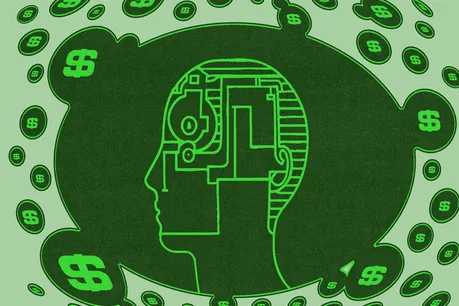
In recent months, voices from across the tech, finance, and policy worlds have begun raising a cautionary note: “I believe it’s a bubble.” The subject? Artificial Intelligence (AI). While enthusiasm and investment in AI soar, many observers worry that we may be experiencing overhyped expectations and unsustainable valuations. Below is a snapshot of what some of the sharpest minds are warning and what that might mean for the future of AI.
The Warnings: Bold Claims of Overheating
Sam Altman (OpenAI)
Even from within the AI establishment, skepticism is surfacing. OpenAI CEO Sam Altman recently conceded that yes—AI may currently be in a bubble. He cautioned that irrational investor enthusiasm is inflating valuations of startups lacking clear business models. The Verge Still, Altman remains confident in the underlying technology’s transformative potential.
Jeff Bezos
Amazon founder Jeff Bezos has described the current AI surge as an “industrial bubble.” Financial Times+1 He drew parallels to earlier tech booms, arguing that such periods of exuberance, even if punctuated by corrections, often leave behind lasting innovations.
David Solomon (Goldman Sachs)
Goldman Sachs CEO David Solomon has warned of a coming “drawdown” in the markets driven by overinvestment in AI. New York Post He suggests that not all the capital flowing into the sector will deliver returns, risking a correction similar to past technology bubbles.
Analysts & Institutions
Bank of England: The Bank’s Financial Policy Committee flagged valuations tied to AI as “stretched”, warning of the risk of sudden market corrections. The Guardian+1
Investopedia / Wall Street analysts: Some argue that we are not in a full-scale bubble yet, noting that many AI-related firms still show meaningful growth and profits. Investopedia
Yale Insights: A recent essay explored how AI’s tangled web of deals—between infrastructure providers, AI firms, cloud platforms could be signals of overinvestment. Yale Insights
The Counterpoint: Not All Hype, Some Substance
The debate is not one-sided. Proponents of continued AI investment point out several counterarguments:
Compare, don’t equate: Some experts say it’s more apt to call the current climate a “boom underpinned by fundamentals,” rather than a pure bubble. World Economic Forum
Lasting infrastructure & breakthroughs: AI is driving ventures into data centers, semiconductor innovation, and other physical infrastructure that could yield long-term value—even if individual startups fail. World Economic Forum+1
Winner-takes-most dynamics: As with past tech cycles, many companies may perish, but a few dominant ones (like Amazon from the dot-com era) emerge with strong market positions.
Why the Bubble Concern Matters
Capital misallocation risks
When investment chases hype over substance, money may flow to ventures without scalable models or real product-market fit.Valuation fragility
Highly elevated valuations leave companies vulnerable to sentiment shifts or disappointing results leading to sharp corrections.Concentration of risk
Much of the AI capital is concentrated in a handful of firms. If one falls, spillover effects could be severe.Infrastructure stranded assets
Large investments in data centers, chips, and compute capacity might underdeliver if future tech shifts render them obsolete.
What to Watch Next
Earnings vs. expectations: Will rapidly growing AI firms deliver on revenue and profit projections?
Capital flows: Will venture investments begin to contract in the sector?
Regulatory responses: More oversight or guidelines may pull back incentive-driven speculation.
Technological breakthroughs or busts: A major leap or a misstep could tip sentiment one way or another.
Conclusion
When high-profile insiders say “I believe it’s a bubble,” it’s a call for reflection more than doom. AI carries immense promise but also massive hype and risk. The challenge ahead is to separate the visionary from the speculative, and believers from buzz-chasers.


Leave a Reply